Practical Guide to Collaborative Project Management
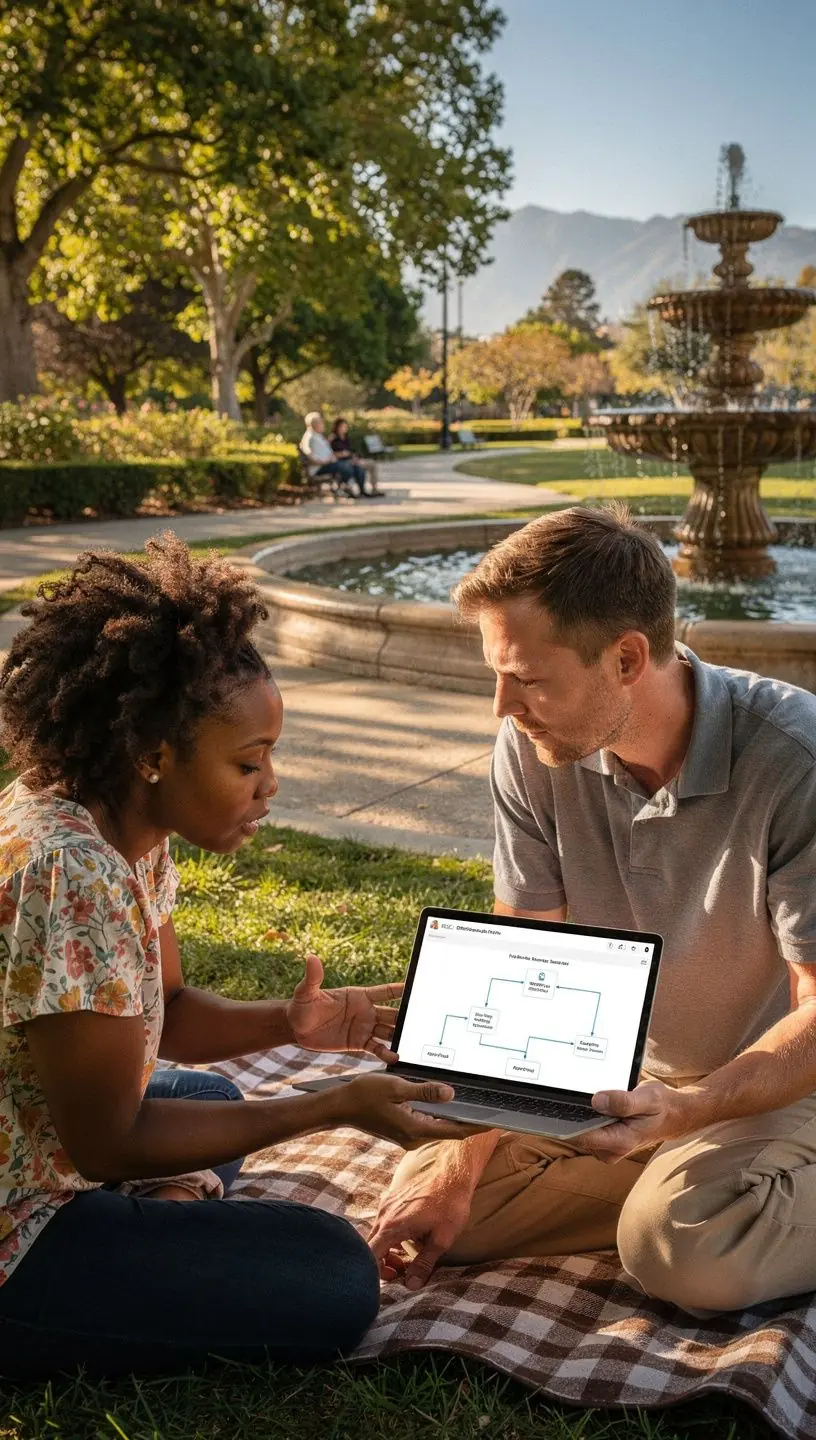
In today's fast-paced work environment, effective collaborative project management is essential for optimizing team productivity and ensuring project success. This guide aims to provide insights and practical steps to enhance collaboration in your projects.
Understanding Collaborative Project Management
Collaborative project management involves the integration of team efforts, resources, and technology to achieve project objectives. According to research by the Project Management Institute, organizations that prioritize collaboration in their projects can see up to a 30% increase in productivity compared to those that don't.

"Collaboration is not just about working together; it's about working together effectively to achieve common goals." - Project Management Expert
Key Principles of Effective Collaboration
- Clear Communication: Establishing clear lines of communication helps ensure that all team members are on the same page. Studies show that teams with effective communication practices often complete projects faster and with fewer errors.
- Defined Roles and Responsibilities: Clearly defining roles helps team members understand their specific contributions. In most cases, teams that identify roles early in the project lifecycle report increased satisfaction and efficiency.
- Utilizing Technology: Implementing digital tools for project management—such as task management software and communication platforms—can streamline collaboration. Industry experts suggest that using these tools can reduce administrative overhead, allowing for more focus on project goals.
Steps to Foster Collaboration
Implementing collaborative practices may require an initial investment of time and effort but can lead to long-term benefits. Here are some actionable steps:
- Choose the Right Tools: Evaluate various project management tools based on your team's specific needs. Popular tools such as Trello, Asana, or Microsoft Teams can support collaboration effectively when tailored to your workflow.
- Encourage Regular Check-Ins: Scheduling regular meetings or updates can promote accountability and ensure that team members can share progress and challenges. This practice typically takes 30 minutes to an hour per week but can significantly enhance team coherence.
- Foster a Collaborative Culture: Encourage team-building activities and open dialogues about project challenges. Research indicates that fostering such a culture can lead to enhanced trust and collaboration among team members.
Acknowledging Challenges
While collaborative project management can enhance productivity, it is not without its challenges. Some key points to consider include:
- Time Commitment: Establishing effective collaboration practices requires time and dedication, often involving a learning curve as team members adjust to new tools and workflows.
- Potential for Conflict: Differences in working styles and opinions can lead to conflicts. It's essential to have conflict resolution strategies in place to address these issues appropriately.
- Adoption of Tools: Not all team members may be familiar with the digital tools selected for project management, which may require training and support.
Conclusion
Collaborative project management can significantly improve team productivity and project outcomes. By focusing on clear communication, defined roles, and the right technological tools, teams can work more effectively together. Remember, while this approach can lead to substantial benefits, it typically requires consistent effort and a commitment to fostering collaboration within your team. As you implement these strategies, set realistic expectations for the time and effort involved to ensure your team's success.